Bitcoin Education
12 posts
All posts
What It Means To Be Connected To The Lightning Network
Being connected to the Lightning Network means more than running a node. It means having the channels, liquidity, routing, monitoring, and infrastructure needed to send and receive payments reliably.

Lightning Self-Custody Works: Why Mobile Nodes Are the Future of Bitcoin
Stephen argues that self-custodial Lightning Network (LN) is ready for end-users despite common criticisms, moving past the idea of a server in every home toward a viable "node in every phone." Key solutions being implemented include BOLT 12/BIP-353 for reusable usernames, async payments for offline receiving, and splicing to improve the capital efficiency of Lightning Service Providers (LSPs).

Do I Need a License to Accept Bitcoin Payments?
Bitcoin payments are catching on fast. More businesses are embracing it as a way to cut processing fees and open their doors to global customers. But there’s one big question that holds many back: Do I need a license to accept Bitcoin payments?
Is Accepting Bitcoin Legal for My Business?
The world of payments is changing fast, and Bitcoin is at the center of that shift. More businesses are exploring Bitcoin as a payment option, drawn by its low fees, borderless reach, and immunity to chargebacks.
Is Bitcoin Good for High-Risk Businesses?
In the world of business, some industries naturally operate on thinner ice. Whether it’s due to regulatory scrutiny, high chargeback rates, or shifting financial policies, certain businesses find themselves labeled as “high-risk” by traditional banks and payment processors.
How to Track Bitcoin Transactions for Accounting
If you're working with Bitcoin, whether you're a solo dev, a finance lead, or managing a growing team, eventually someone will ask: “Where’s the transaction history for this?” Unlike traditional banking systems, Bitcoin doesn’t send you monthly statements or tidy CSVs. Tracking what came in, what went out, and what it was for isn’t just about peace of mind; it’s about clarity, compliance, and good operations.
How to Prevent Chargebacks With Bitcoin Payments
Chargebacks are the silent revenue killer that far too many businesses learn to live with, until they don’t. Whether it’s a digital product wrongly disputed as “unauthorized” or a refund request that morphs into a bank-initiated reversal, chargebacks create a vortex of lost revenue, admin headaches, and rising payment processor scrutiny.
Is Bitcoin Payment Processing Safe for Businesses?
Bitcoin has gone from a fringe experiment to something serious businesses are starting to consider. But every time a company asks, “Should we accept Bitcoin?” the real question underneath is, “Is Bitcoin payment processing safe for businesses?”
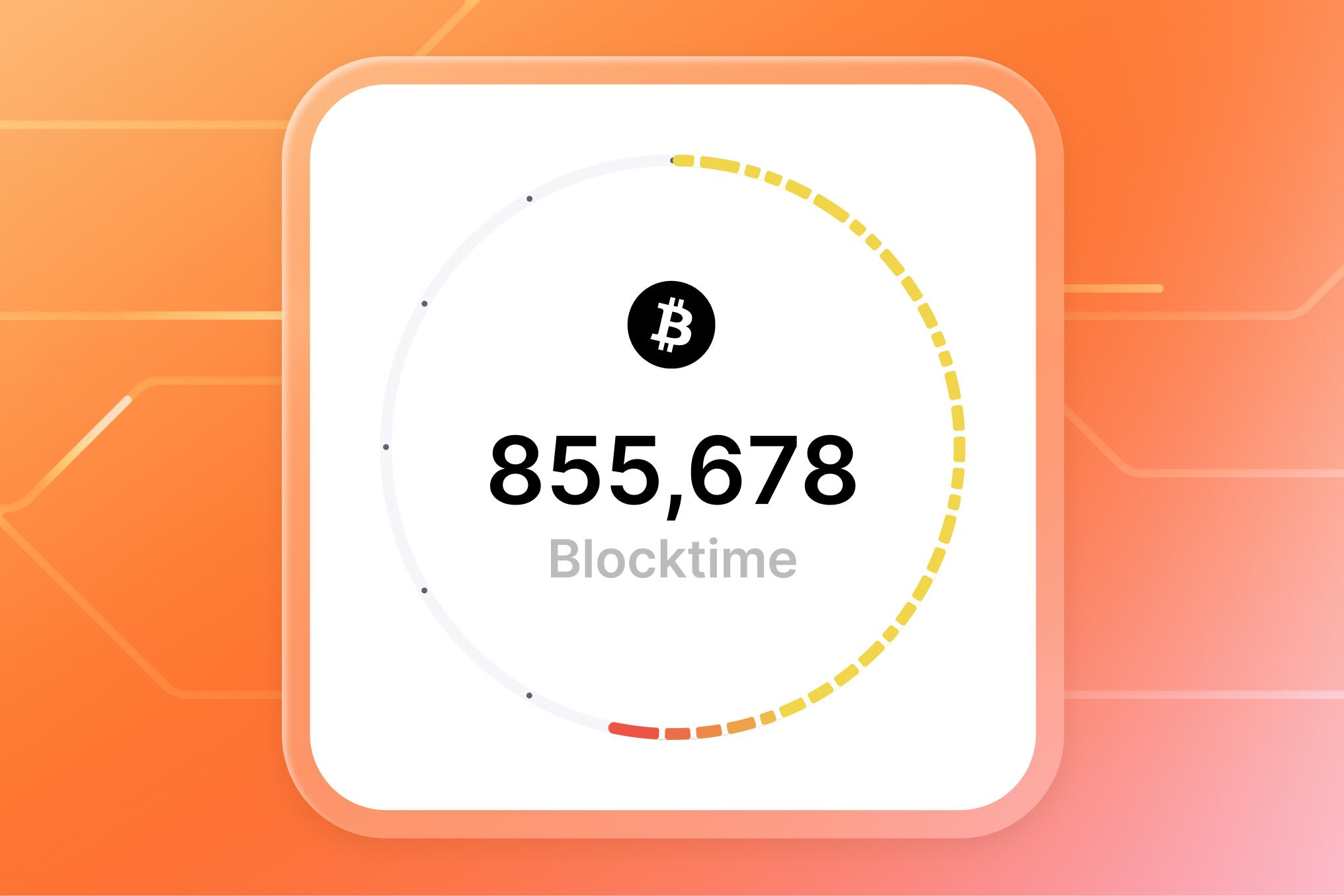
How We Built the Open Source Block Clock
The Voltage team worked on building an open source block clock. Thie breakdown of how and more, below!

How Do Refunds Work with Bitcoin Transactions?
Understanding how refunds work with Bitcoin transactions means acknowledging that we’re operating on a decentralized, irreversible ledger. Once a transaction is confirmed, there’s no “undo” button. For a customer, that means mistakes can be costly. For a company, that means refund policies aren’t just a line in your terms, they’re part of your infrastructure.
What Are the Tax Implications of Accepting Bitcoin?
Accepting Bitcoin might feel like stepping into a new frontier, but when it comes to taxes, it’s more like stepping into a minefield. For businesses, Bitcoin isn’t just a currency, it’s property in the eyes of the IRS. And that distinction comes with a set of reporting requirements and tax consequences that many overlook until it’s too late.